

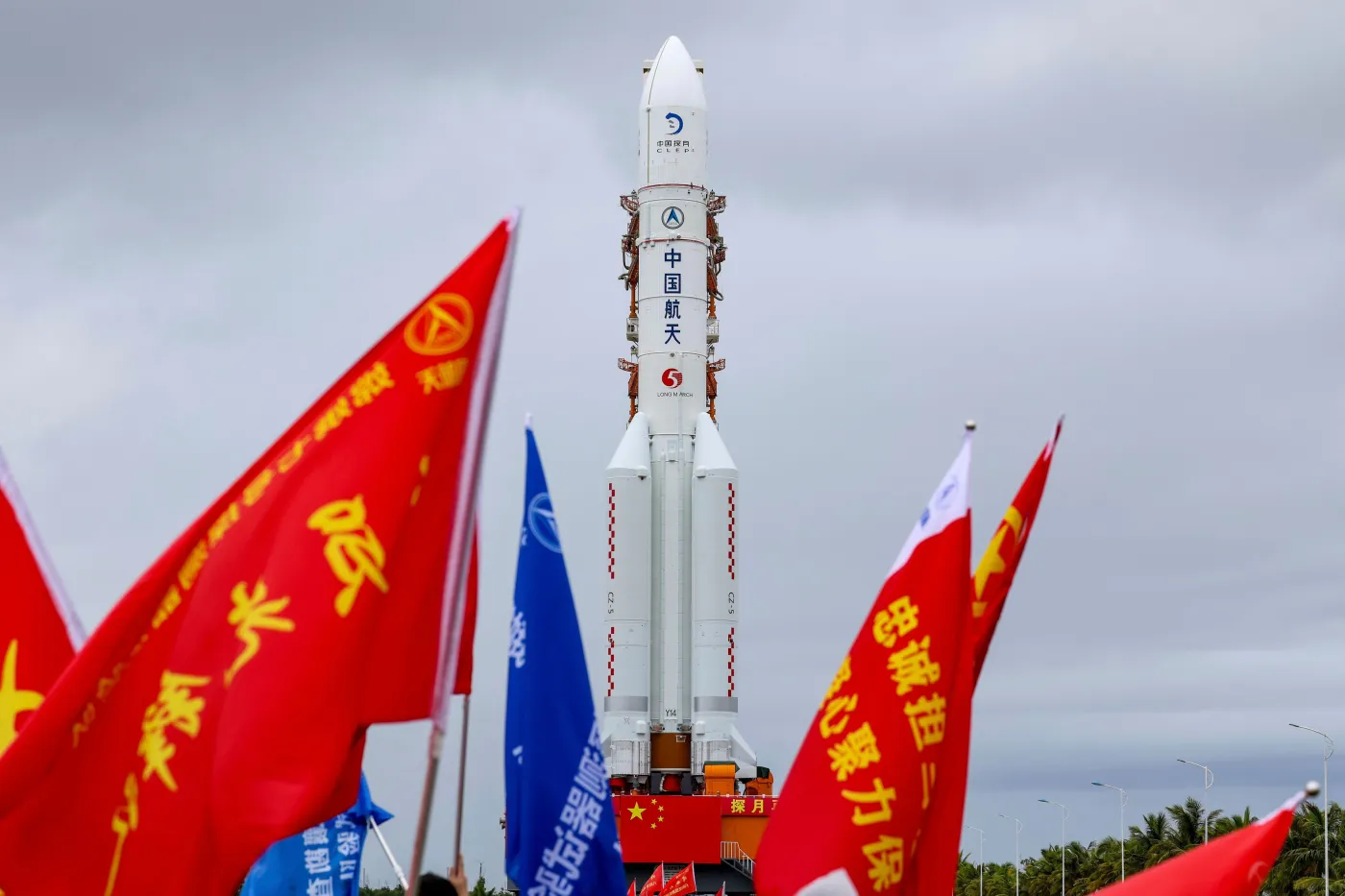
Chang'e 7 lunar probe and the Long March 5 Y14 carrier rocket were transferred to the Launching area at the Wenchang Spacecraft Launch Site in South China's Hainan province, the Long March 5 was expected to lift off as early as Aug 24, 2026, but as the tropical storm brewing over the island bad weather and a short window for polar orbit have pushed the date to possibly next year.
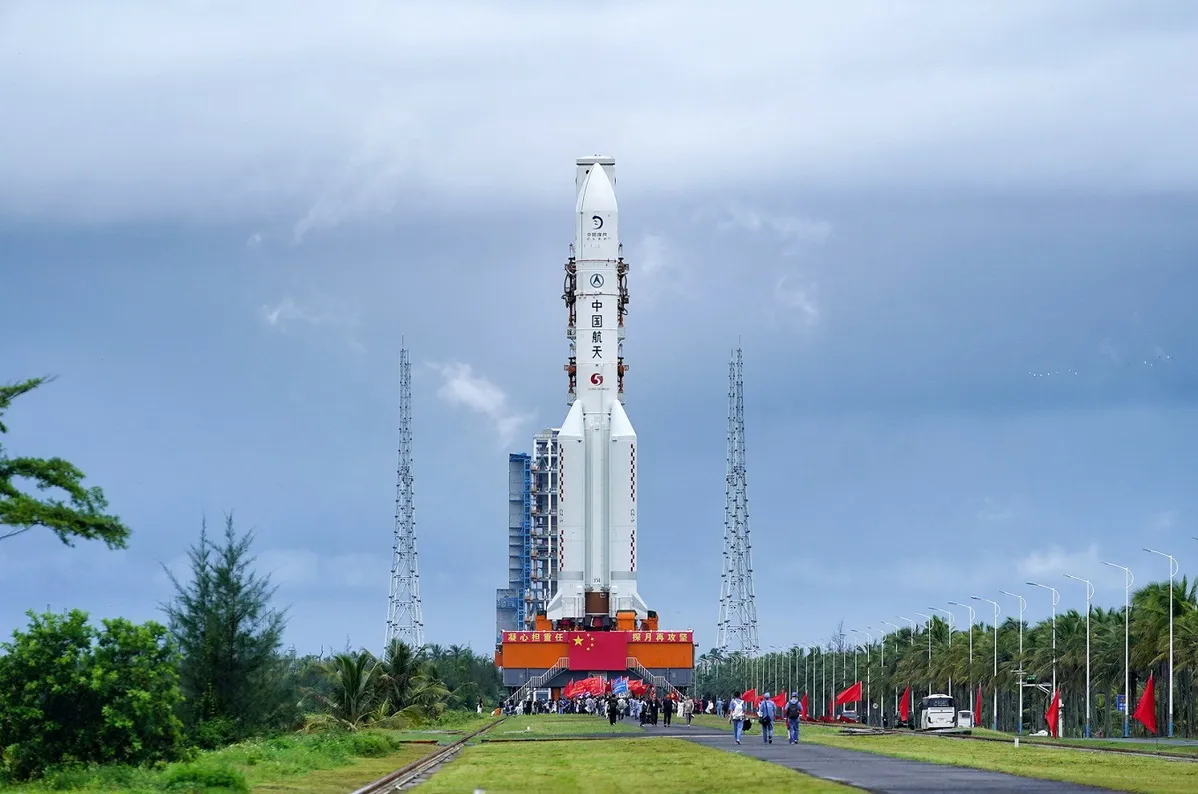
“Guided by the principles of safety, reliability, and absolute certainty, and following a comprehensive assessment, the Chang'e 7 mission does not meet the launch criteria and cannot be implemented within this year's scheduled launch window.” the China Manned Space Engineering Office revealed on Aug 23, 2026.
Chang'e 7 named after the ancient Chinese moon goddess, was set to investigate the south pole Aitken basin surface environment, interior structure, and magnetic field of the Moon. The main objective was to study the water ice in its soil.
In 2004, China launched the official Chinese Lunar Exploration Program (CLEP). From the launch of Chang’e-1 on Oct. 24, 2007, to the Chang’e-5 returner that returned to Earth with lunar samples on May 3, 2024, China has been laying the groundwork for a manned mission. Since its inception, the program has had over 8 successful missions with Chang'e 7 being the upcoming one.
The Chang’e-7 mission has brought together international collaborators from 7 nations, including Thailand, Bahrain, Egypt, Italy, and Russia. Several robotic payloads will coordinate as one to gather information that would otherwise be hard to achieve.
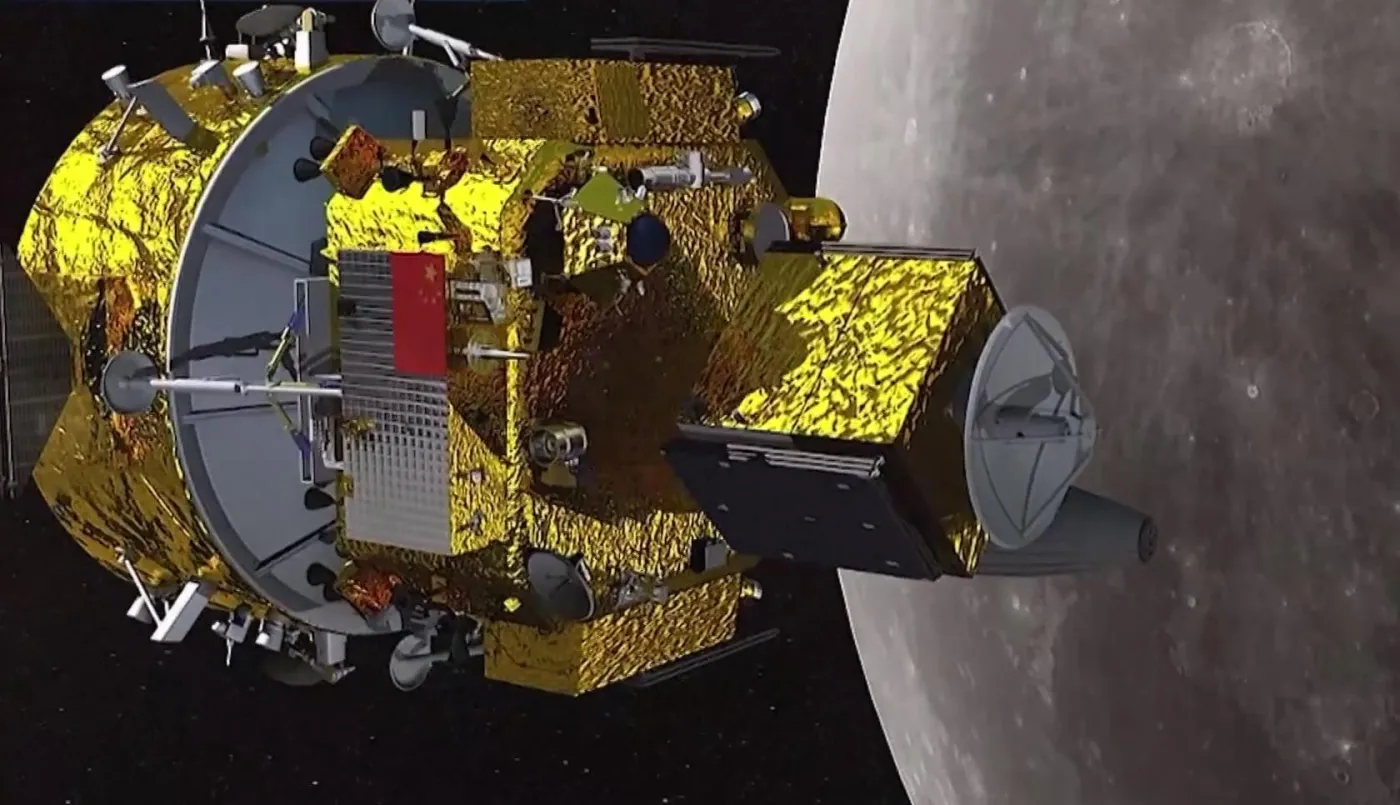
An orbiter, a lander, a six legged lunar rover, and a hopping probe are designed for the moon's South Pole rugged, crater-ridden terrains.
The orbiter will remain in orbit around the lunar South Pole for at least 8 years, long after the mission goal is achieved, continuously acquiring high resolution topographic images of the moon's surface. It will also serve as a relay for Earth lunar communication ensuring real time data between the lunar surface and Earth mission control centers.
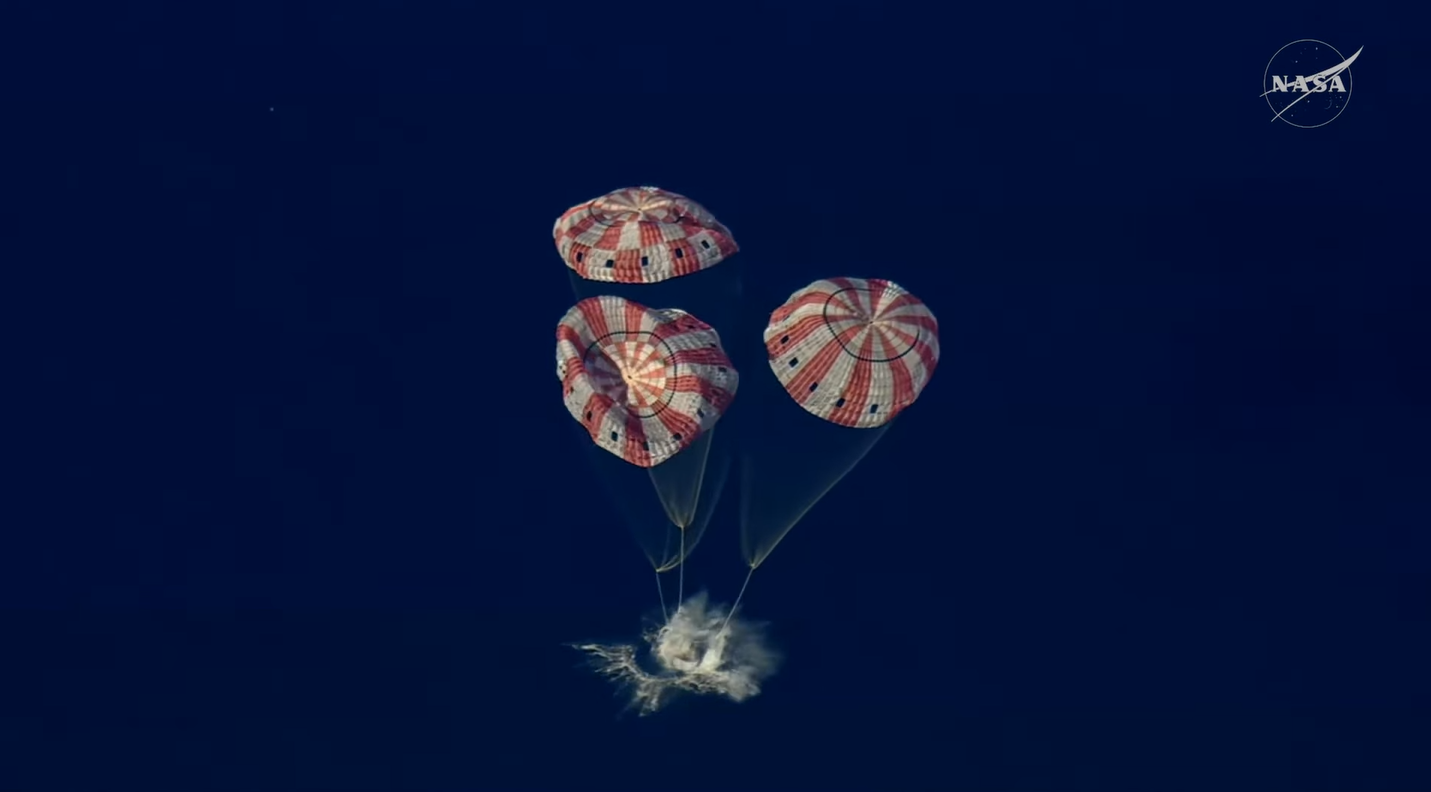
The lander, another component that has a long-year span on the mission, is equipped with high precision scientific instruments to perform a landing near the shadowed region of the South Pole (Shackleton). It carries infrared mass spectrometer to analyze the surface Regolith, and it also serves as a communication hub for the rover and hopper.
The Lunar rover will navigate the site collecting soil samples at multiples locations and recording composition data.
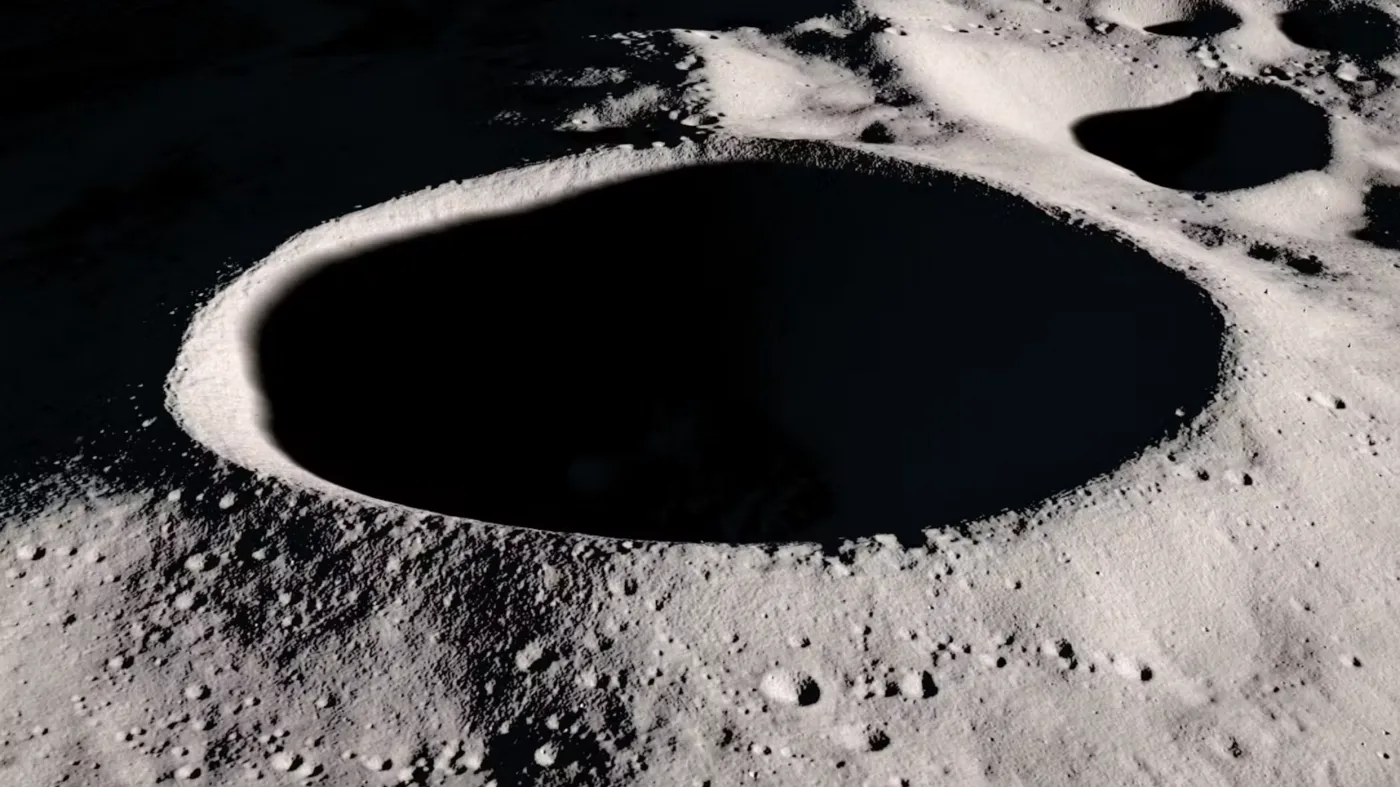
The groundbreaking part of the mission component is the lunar hopper which can leap directly into the craters contrast region that remains in darkness year round, where temperatures plunge to -200°C. What makes this truly unique is that this hopper is designed to withstand such an environment by getting in and out of the cave.

Not only does the data from this mission reshape the global landscape of lunar research exploration but it also supports two major subsequent projects (Chang'e 8) that includes 3D printing technologies, and an international lunar research station.
While most lunar projects searching for water rely solely on remote sensing observations, Chang'e 7 will fill this gap.