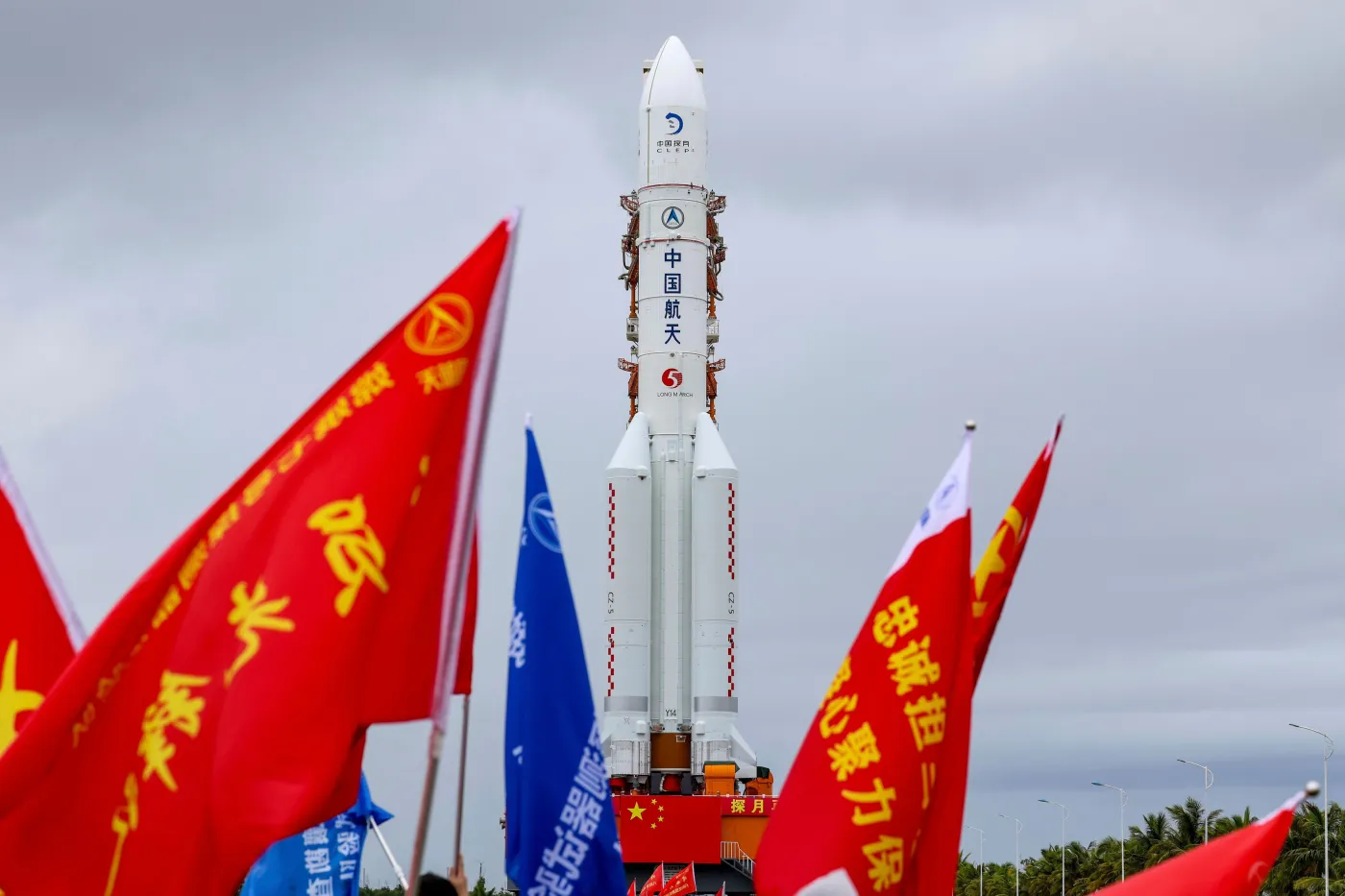



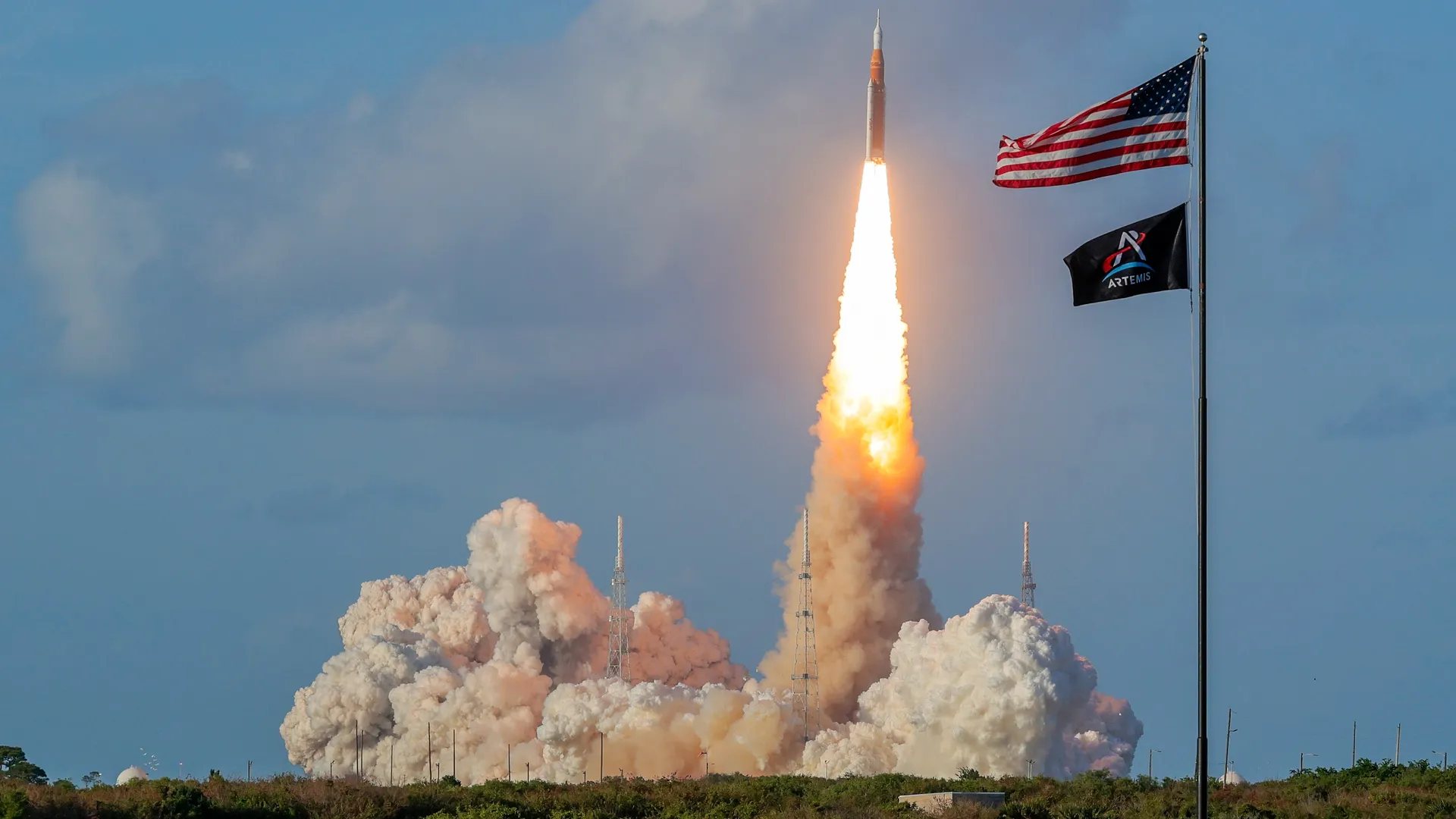
Artemis III has been described as one of the most complex missions in what some say NASA history with multiple companies, multiple rockets, and different landers. Throughout the duration of the Artemis III mission, powerful rockets will launch to place the Blue Origin and SpaceX Starship landers into low Earth orbit.
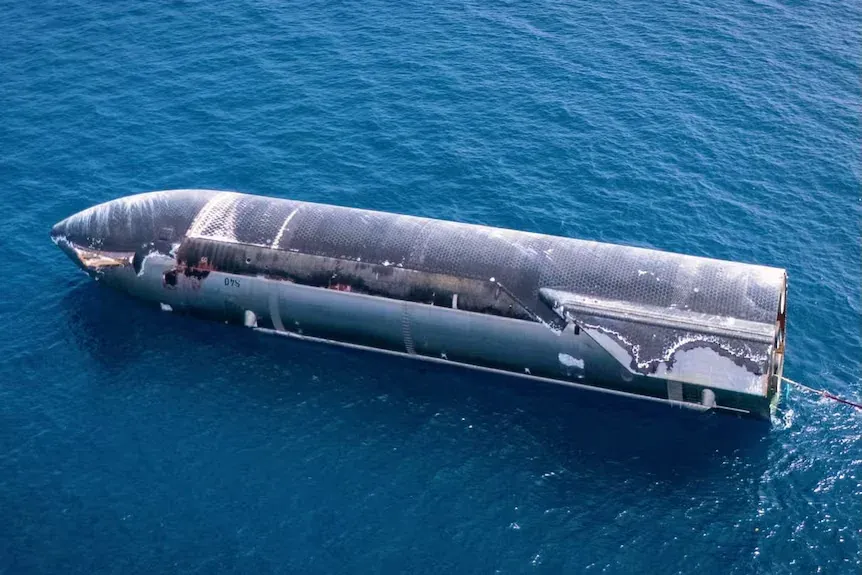
This comes after a recent New Glenn rocket explosion, Senior Vice President of Lunar Permanence at Blue Origin John Couluris explained the company's commitment to continue the phase while cleaning the pad and investigating the cause.
“Artemis III is a major step that fulfills important objectives before our uncrewed landing on the moon in 2028, followed by our crewed landing of astronauts that same year on this mission. NASA and Blue Origin will demonstrate rendezvous, docking, hatch operations, ingress, and life support systems in low Earth orbit. This will allow the crew to gain familiarity with our lunar Crew module and even practice operations such as suit donning in zero gravity.” Said John Couluris.
Earth's first Star fleet
Considering mission uncertainty, NASA has shown optimism about the timeline and its partners. With multiple launches for Artemis III, NASA Administrator Jared Isaacman said this mission will help get into a multi-launch campaign rhythm.
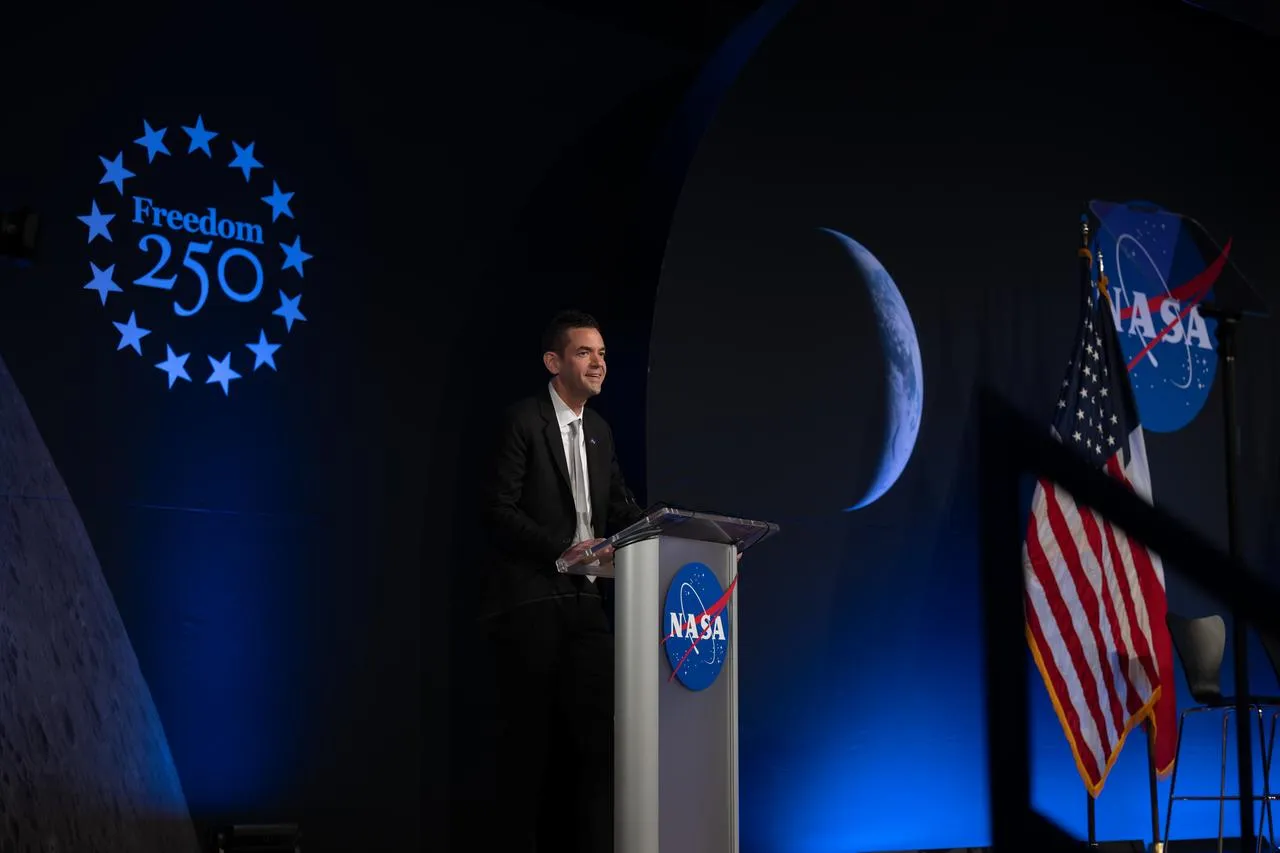
NASA Administrator Jared Isaacman during the Artemis III crew announcement event NASA/John Kraus

“Think about how many spacecraft, all of which will eventually carry human beings will be in orbit at the same time from Dragon, Shenzhou, Soyuz, possibly Starliner, Starship, and the Blue Origin lander. This seems like the beginning of the future that we imagined as children. This seems like the very beginning of Earth's first Star fleet.”
Artemis III mission
Artemis III crew will test out the spacesuits that astronauts on Artemis IV will wear on the moon, performing these tests in lower orbit. The astronauts will move from the capsule to the landers to test the air pressure. The crew will also test temperature, life support, communication, power generation, guidance and navigation.
Even though Artemis III astronauts will not be going to the Moon, they will spend more time in the Orion capsule than the Artemis II crew did. According to NASA Artemis manager Jeremy Parsons, the mission will last two weeks.
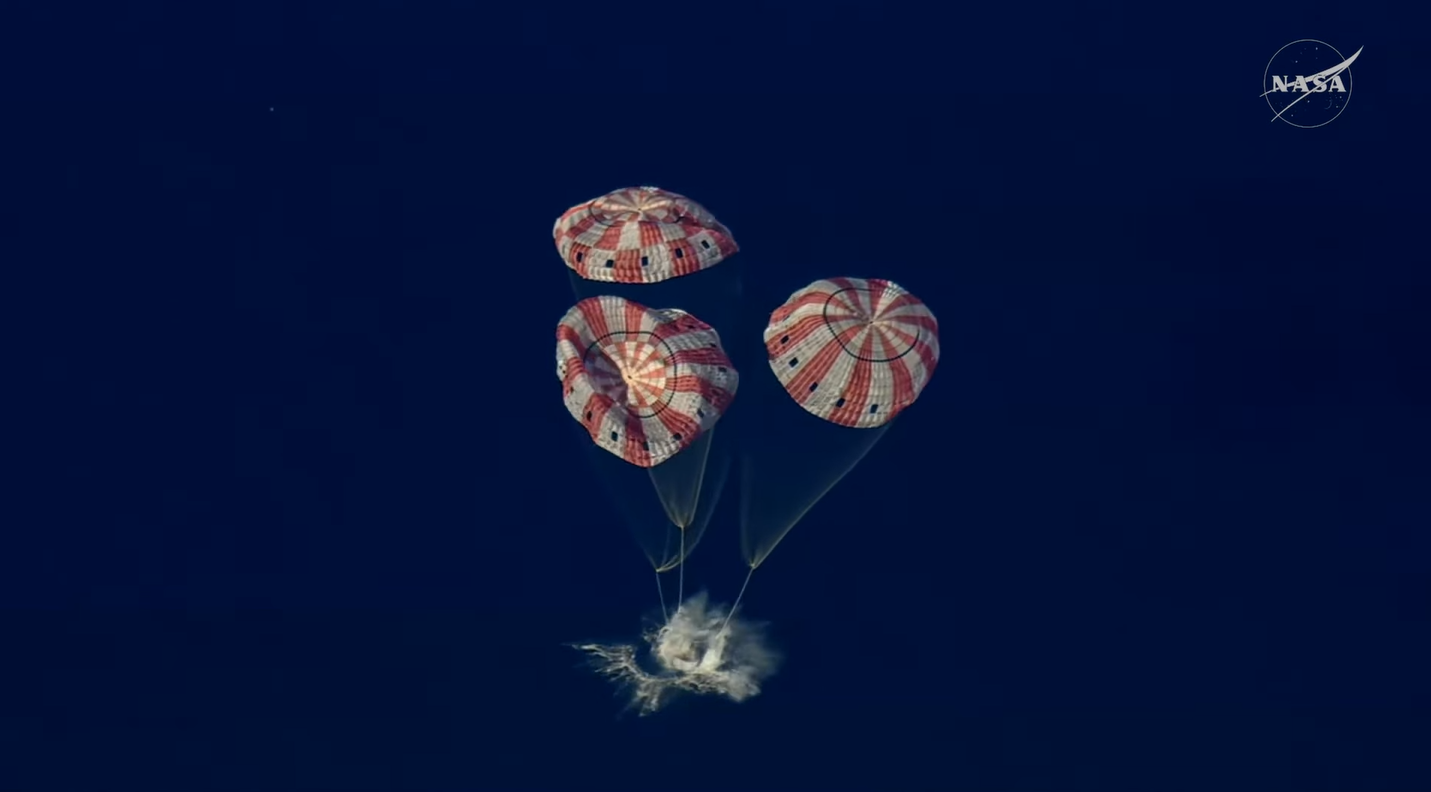
“This mission is deliberately designed to take calculated risks so that future crews will be safer and ultimately successful when we put boots on the lunar surface. The complexity of our integrated operations across multiple launches spacecraft rendezvous, and docking is greater in many ways than Artemis II.”
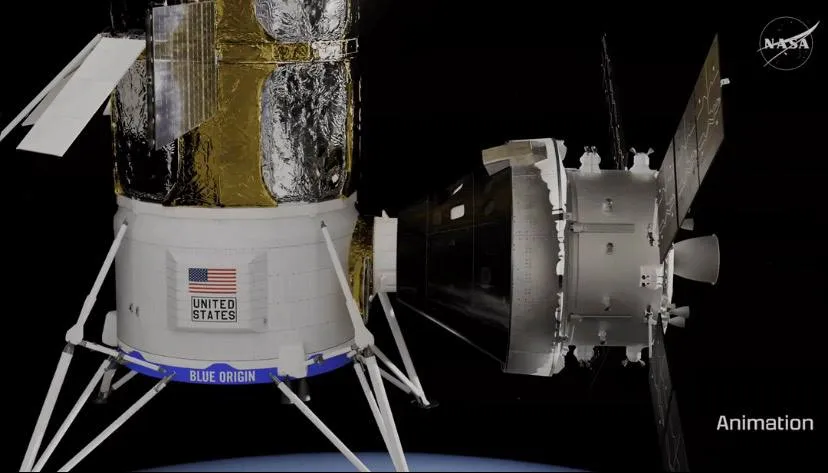
blue origin rendezvous demonstration, NASA

The Crew Of Artemis III; Earth joy
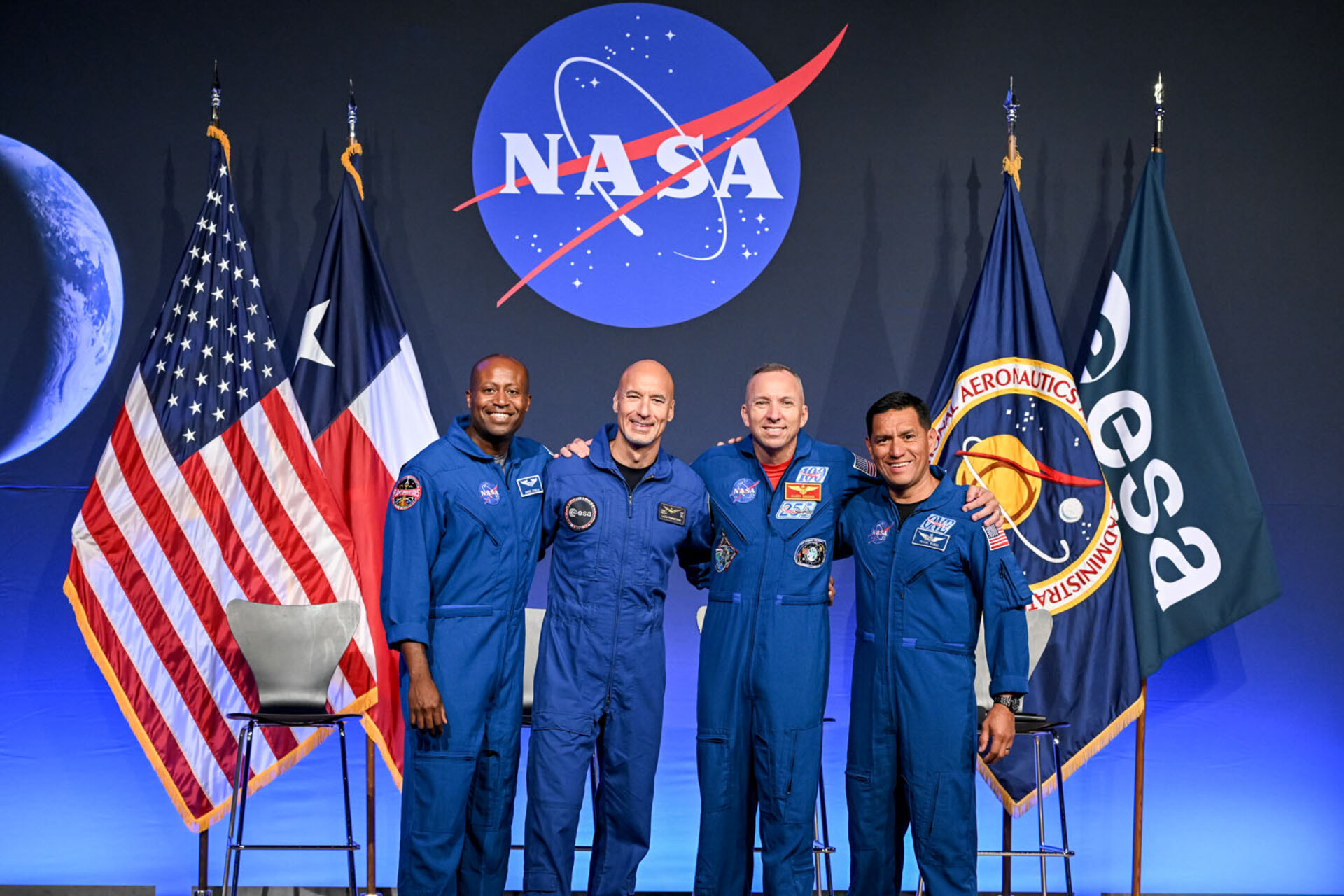
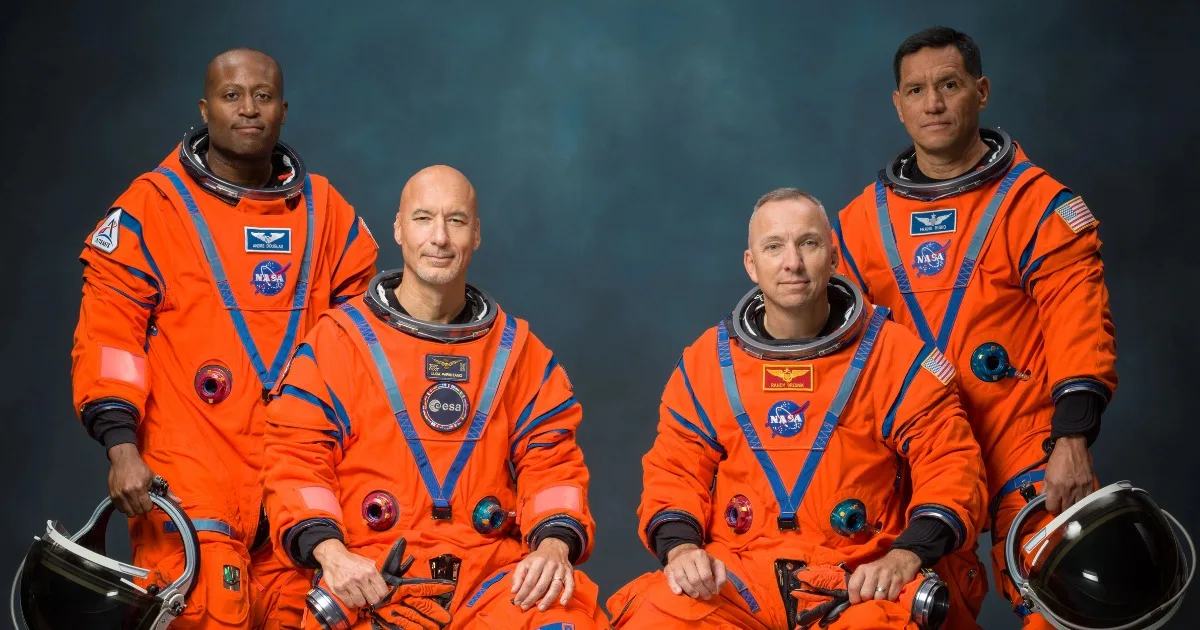
The Artemis III mission crew consists of three NASA astronauts, a European astronaut, and one backup crew member who will train with them to ensure mission readiness and continuity.
Backup crew member Bob Heintz is a Test pilot, Air Force colonel, and former space member. Bob has logged 170 days in space across two expeditions.
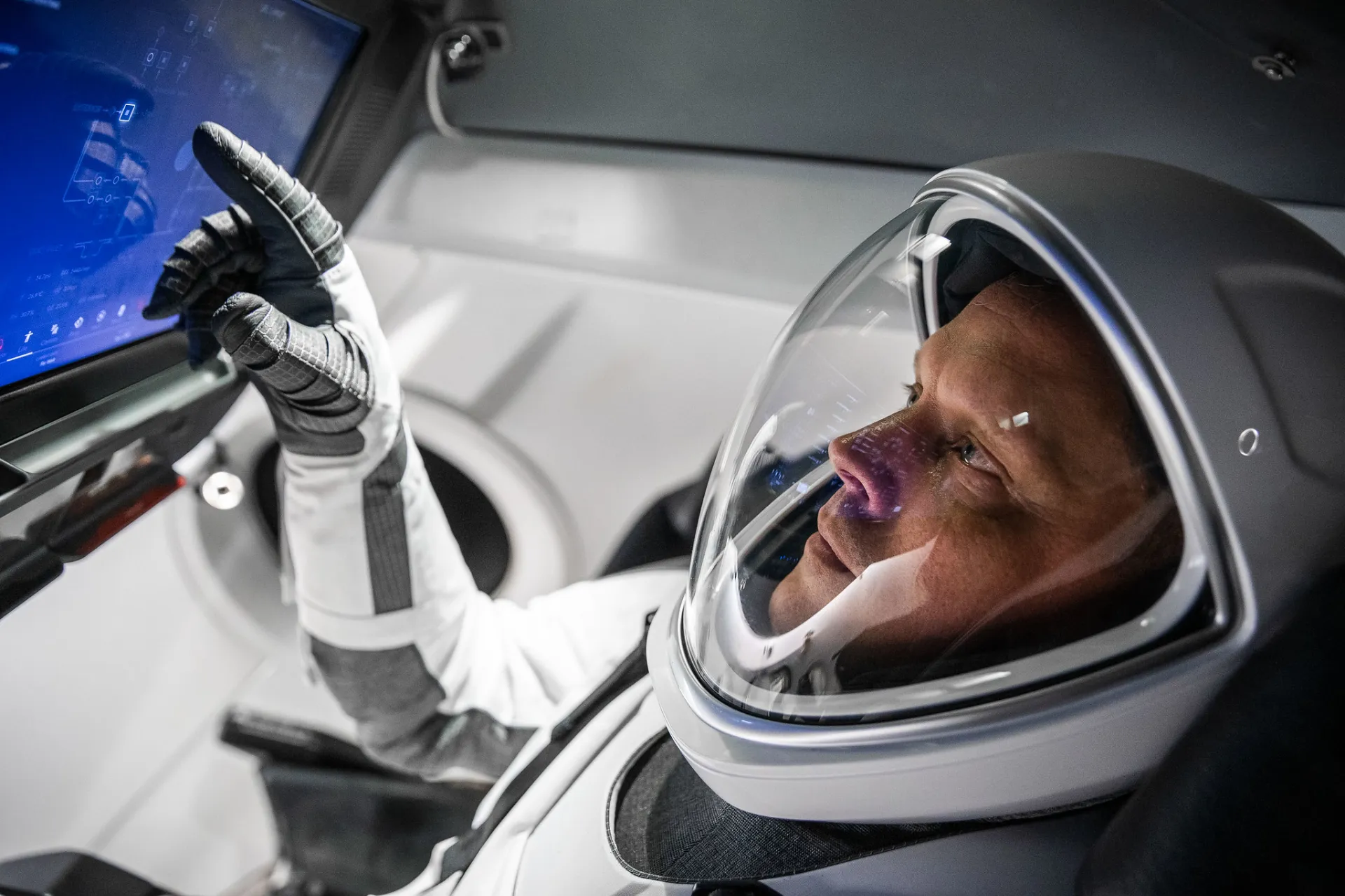

Robert Hines (bob), NASA
Test Engineer and Coast Guard Reserve member Andre Douglas is a mission specialist for Artemis III. He was a backup crew member for the Artemis II mission. This will be his first space flight.
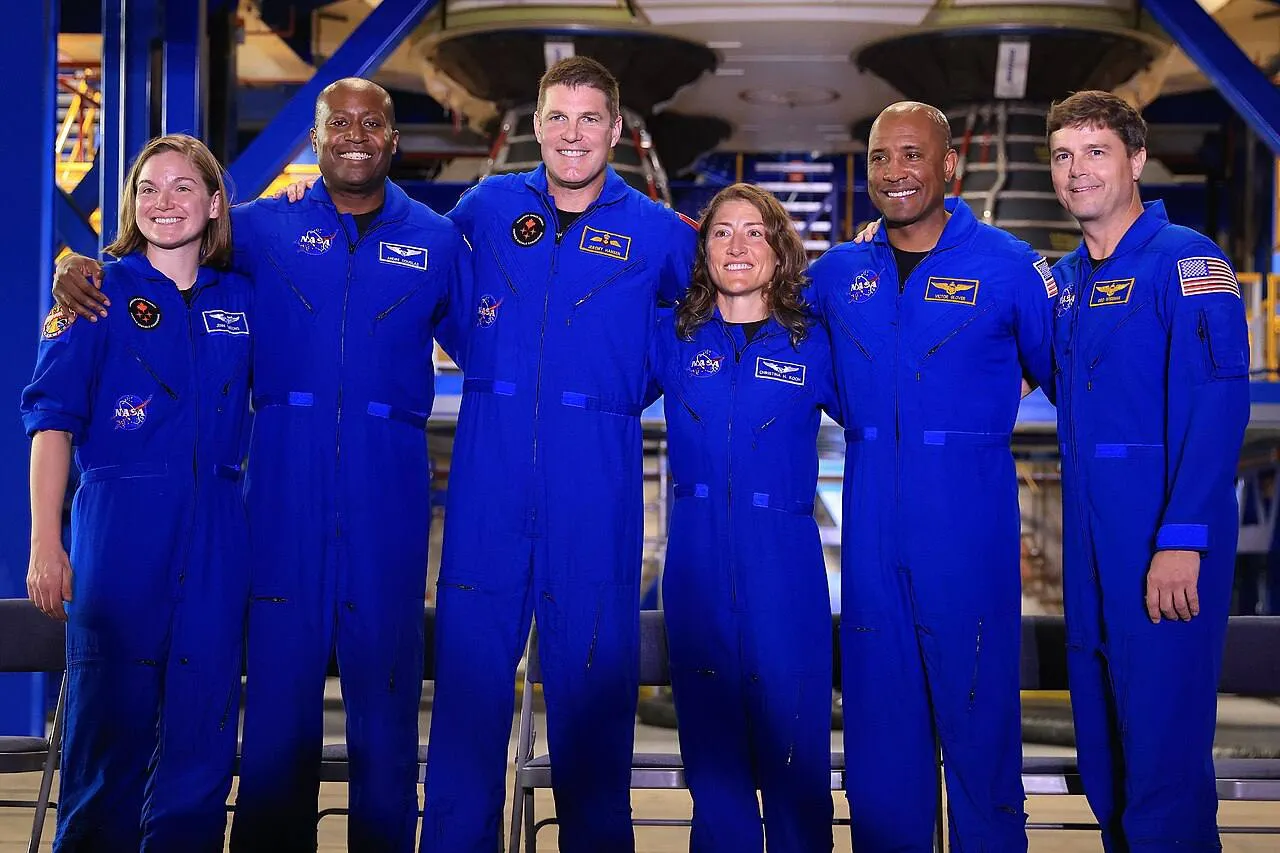
second from the left, Andre Douglas with Artemis II crew, NASA
Colonel Frank Rubio is an Army Black Hawk helicopter pilot, family medicine physician, and record-setting astronaut, He is a member of the West Point Parachute Team with over 650 freefall skydives. He holds the American record for the longest spaceflight when damage to the spacecraft extended a six month mission to 371 days.
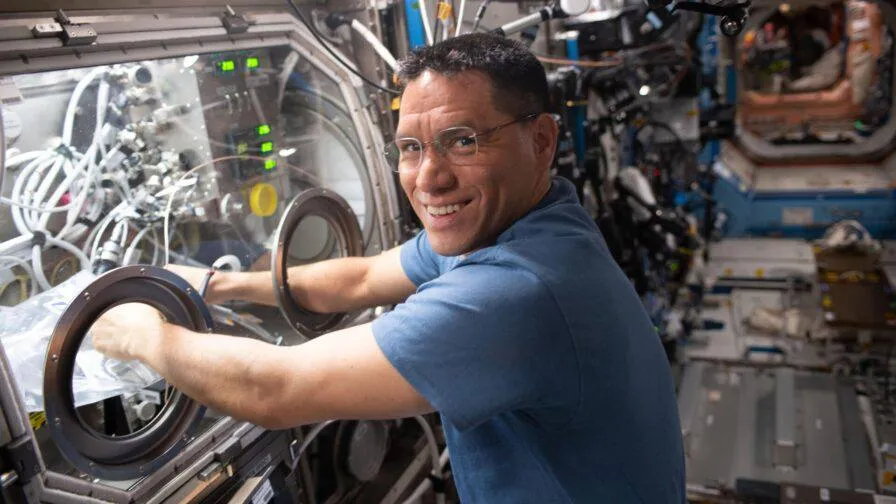
Frank Rubio, NASA
The second pilot on the Artemis III mission is ESA astronaut Luca Parmitano, the first Italian space station commander, an Italian Air Force colonel, and test pilot. Parmitano was also the first Italian to command ISS during Expedition 61 where Artemis II mission specialist Christina Koch was a part of the team, Luca has spent 366 days in space.
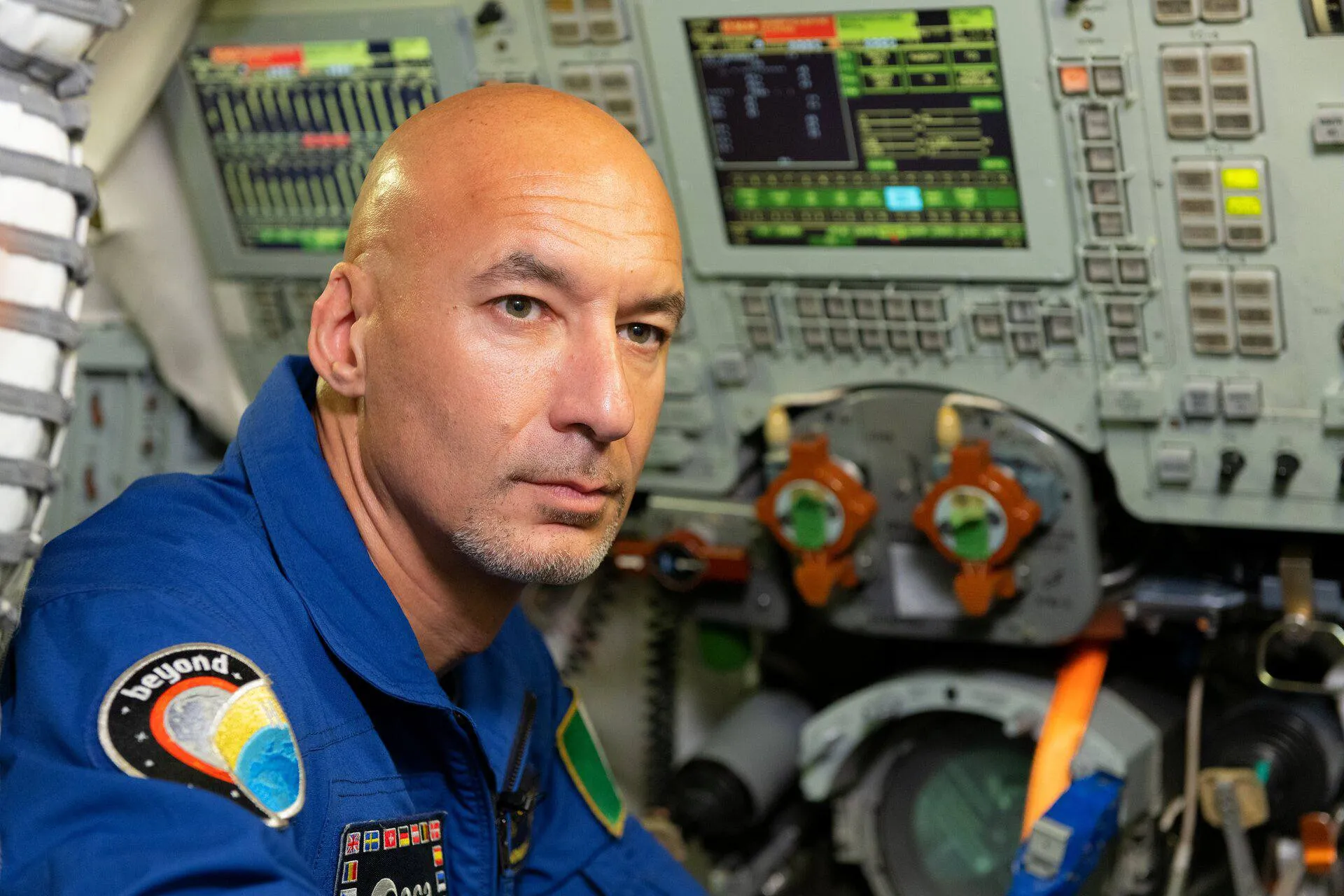
ESA astronaut Luca Parmitano, NASA
The Artemis III commander is Randy Bresnik a two time astronaut, former space station commander, Marine Corps colonel, and test pilot with more than 7000 flight hours in 95 types of aircraft/rotorcraft/gliders and an additional 3,600 hours in spacecraft.
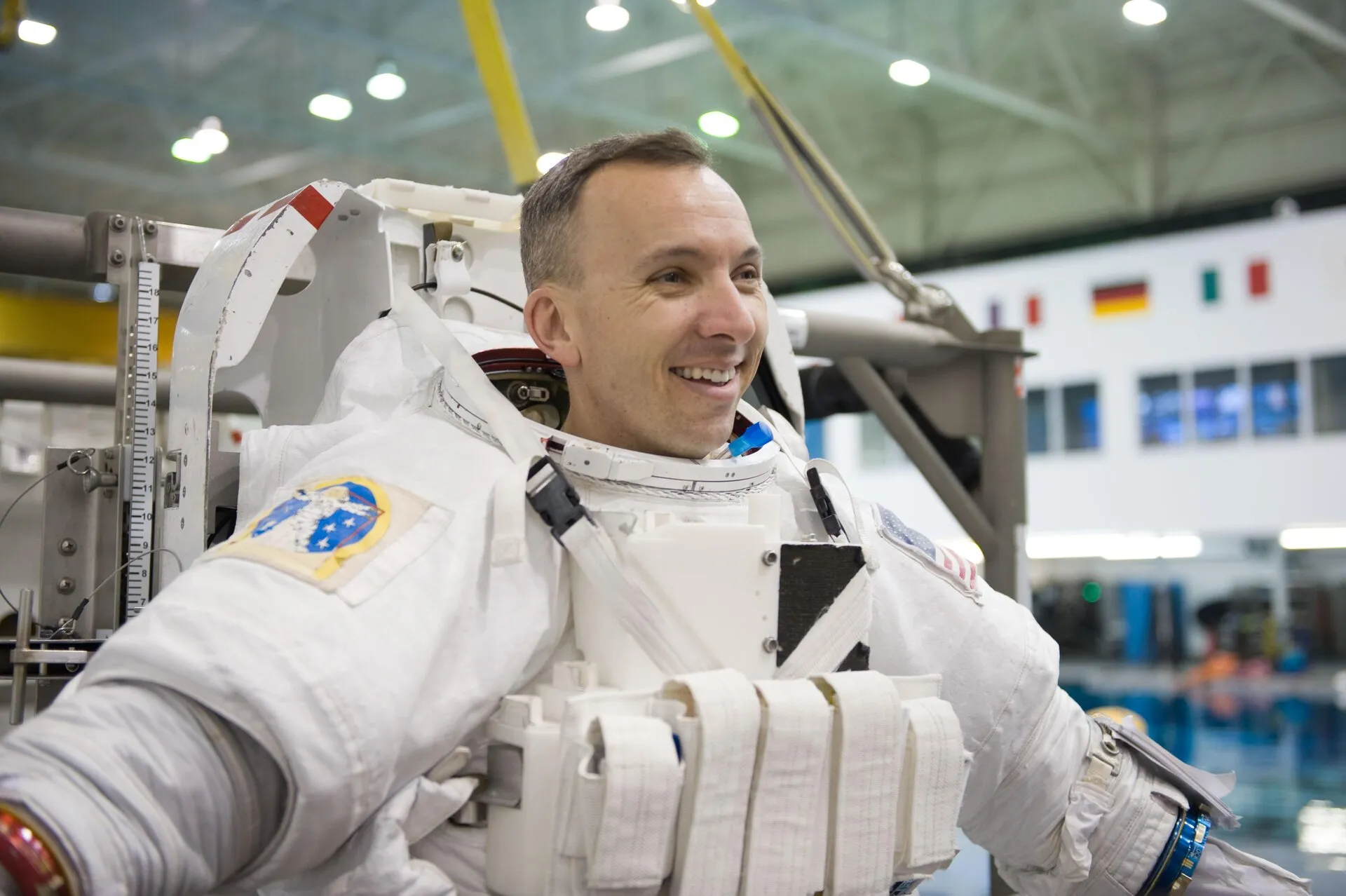

Randy Bresnik, NASA