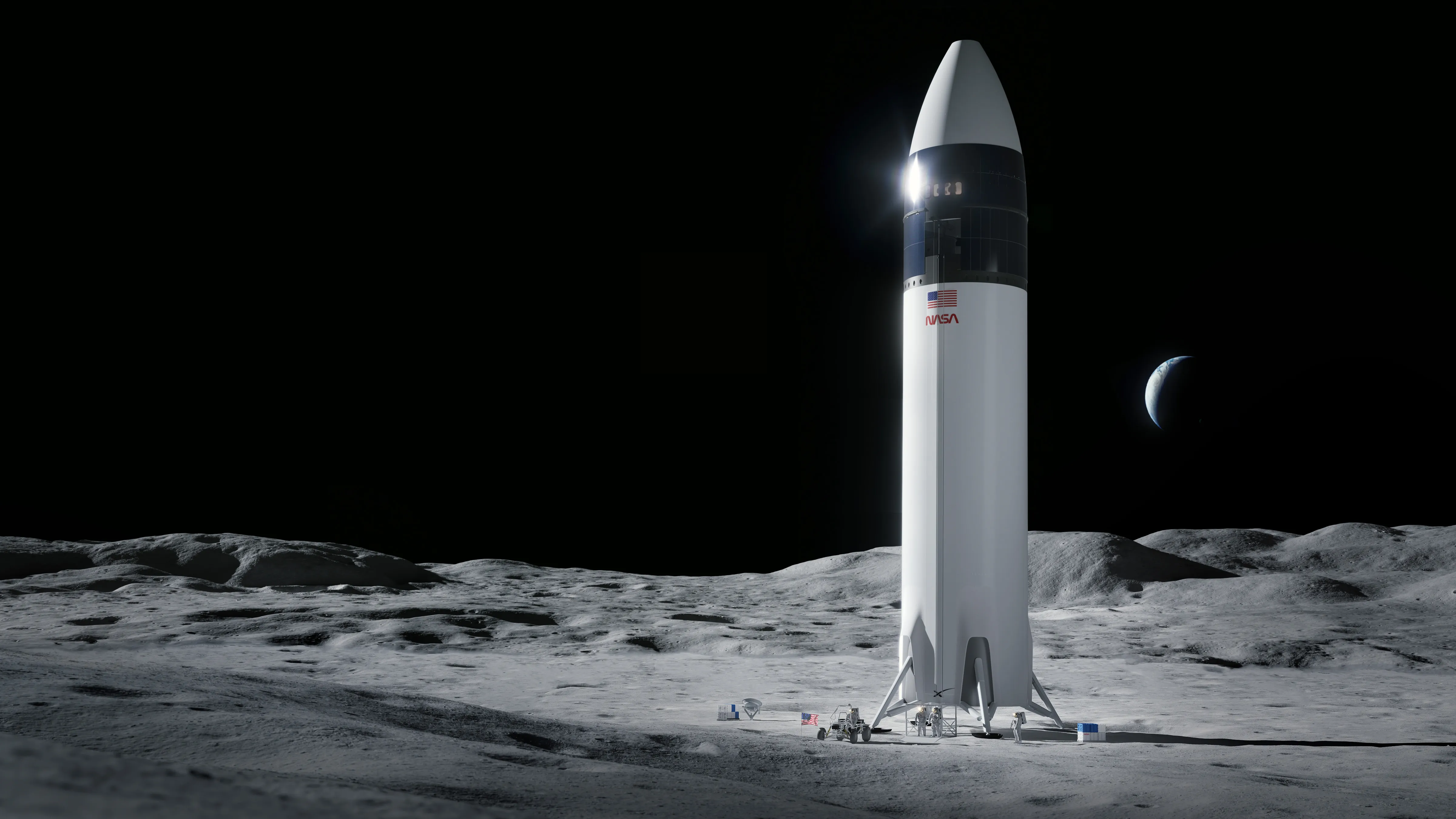

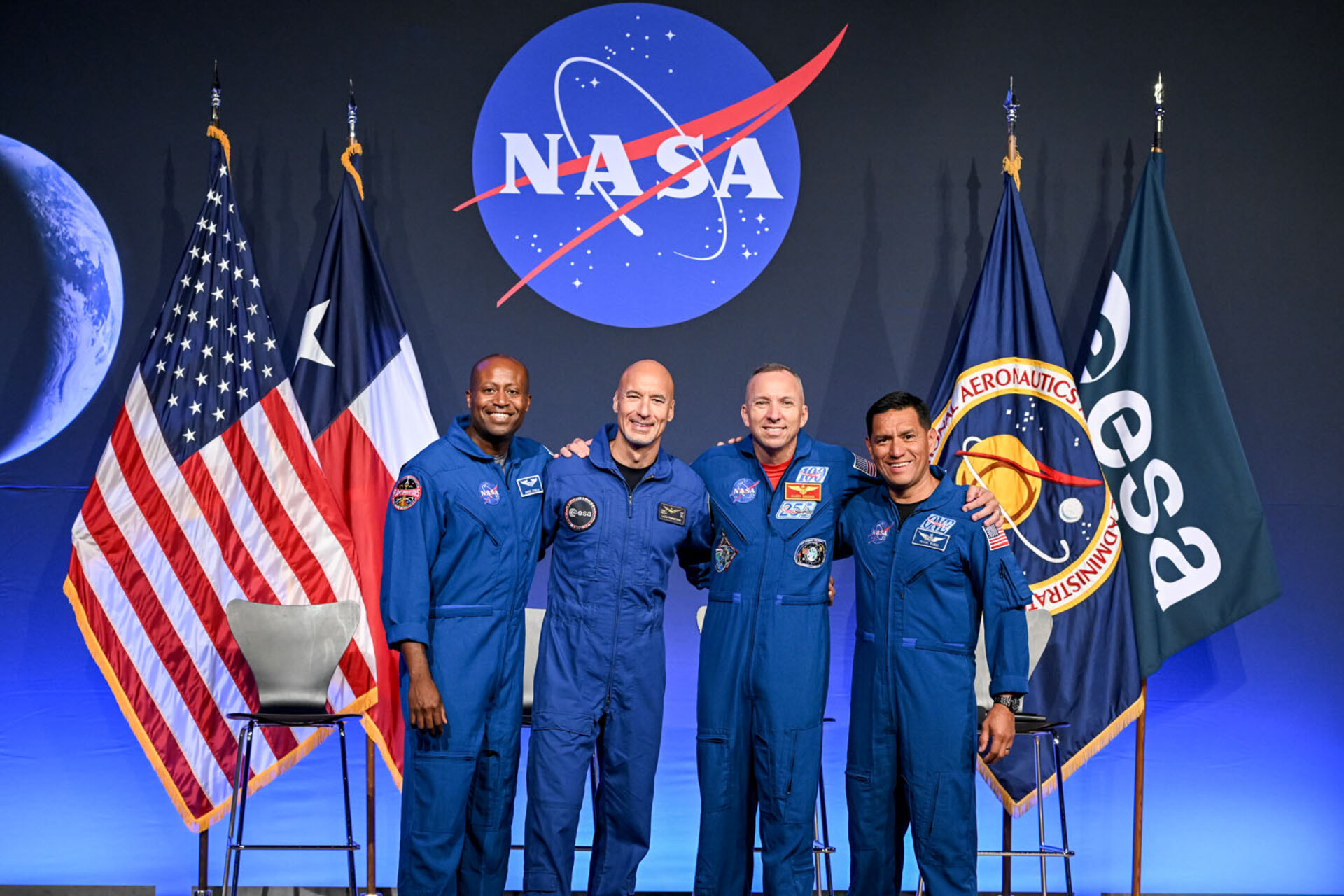
የሰው ልጅ ከ50 ዓመታት በላይ ከዘለቀ ቆይታ በኋላ ዳግም ወደ ጨረቃ ለመመለስ በሚያደርገው ታሪካዊ ጥረት ውስጥ፣ የአሜሪካ የጠፈር ምርምር ተቋም (ናሳ) እጅግ ወሳኝ የሆነ እርምጃ ወስዷል። በቅርቡ ናሳ በአርጤምስ ሦስት (Artemis III) ተልዕኮ ላይ የሚሳተፉትን አራት ብቁ ጠፈርተኞች ይፋ አድርጓል። ይህ ተልዕኮ የሰው ልጅ ዳግም በጨረቃ ምድር ላይ ከመራመዱ በፊት መከናወን ያለበት እጅግ ወሳኝ የልምምድ ጉዞ ነው።

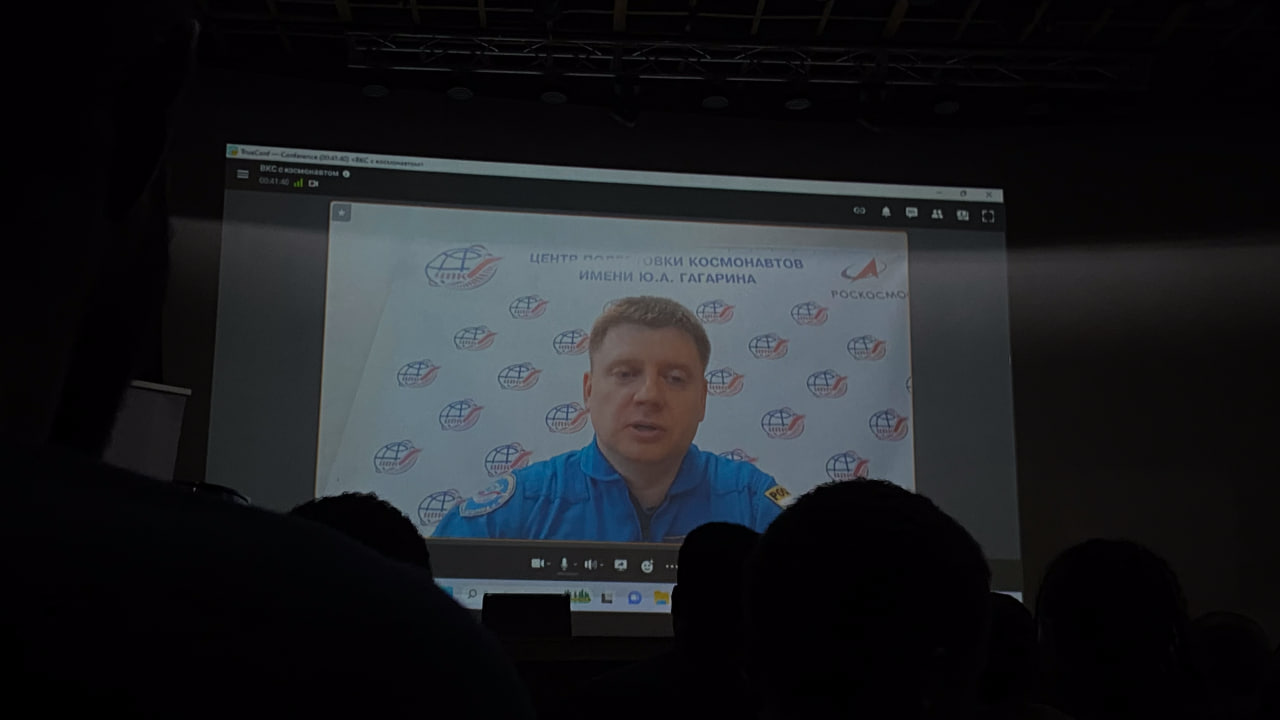
ከዛሬ 65 ዓመት በፊት ሚያዝያ 4 ቀን 1953 ዓ.ም. (እ.ኤ.አ. ኤፕሪል 12 ቀን 1961) ራሻዊው ዩሪ ጋጋሪን የሰው ልጅን የምድር ቆይታ ወሰን በማለፍ ወደ ህዋ በመጓዝ ምድርን በህዋ ውስጥ የዞረበት ታሪካዊ ቀን ነው። ይህ ስኬት የሰው ልጅ የህዋ ምርምር ስራዎች ትልቅ ማሳያ ተደርጎ የሚቆጠር ሲሆን፤ በየአመቱ ይህ ቀን ዓለም አቀፍ የኮስሞኖቲክስ ቀን እና 'የዩሪ ምሽት' (Yuri's Night) ተብሎ ይከበራል። የዘንድሮው 65ኛ አመት መታሰቢያም በሀገራችን በሁለት የተለያዩ ደማቅ መርሃ ግብሮች ተከብሮ ውሏል።
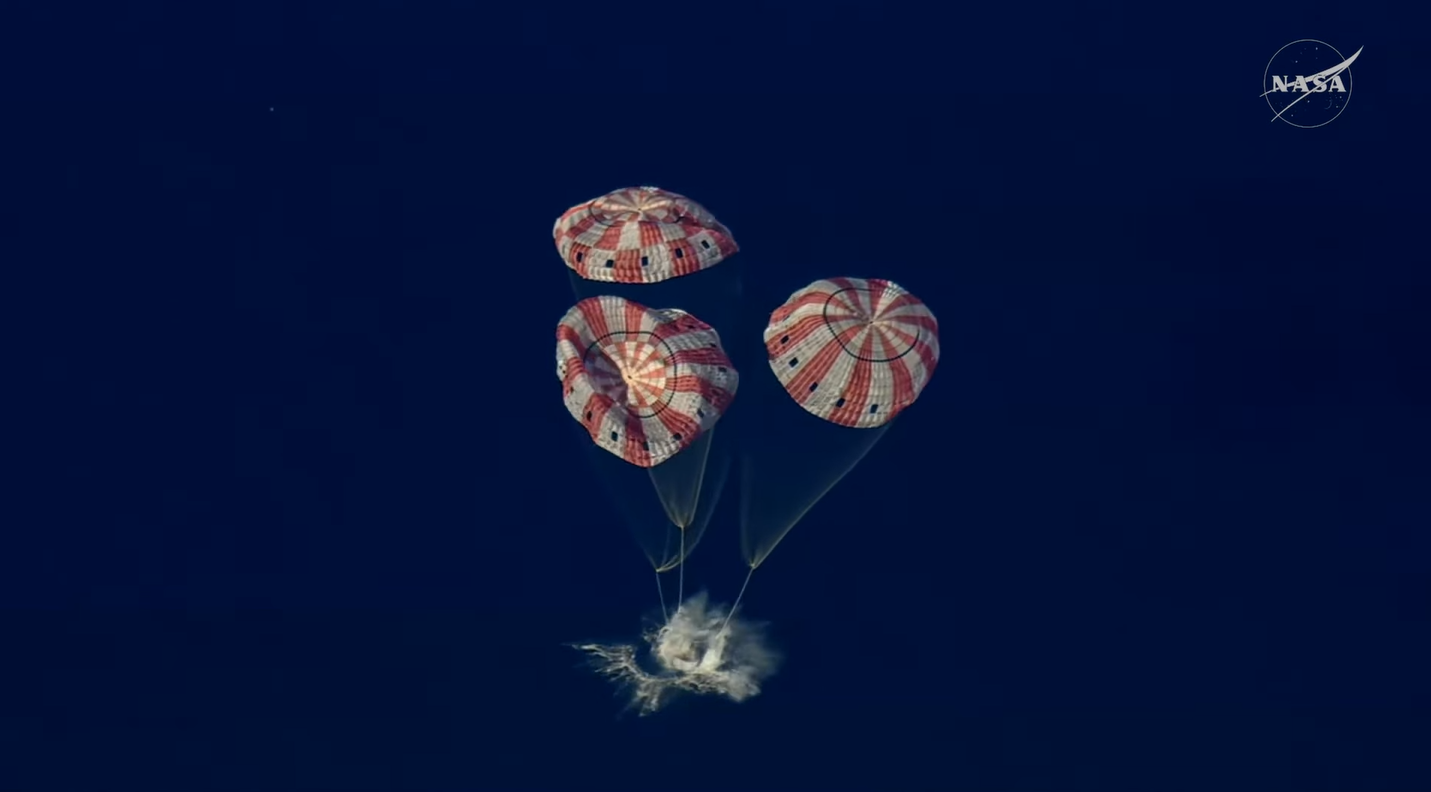
የናሳ እና የካናዳ ስፔስ ኤጀንሲ ጠፈርተኞች ከ10 ቀናት ታሪካዊ የሕዋ ላይ ቆይታ በኋላ፣ በሀገራችን ሰዓት አቆጣጠር ከእኩለ ሌሊት ላይ በፓስፊክ ውቅያኖስ ውስጥ በሰላም አርፈዋል። "ኦሪዮን" የተሰኘውን መንኮራኩር የተጠቀመው ይህ የአርጤምስ 2 ተልዕኮ፣ ከ1972ቱ የአፖሎ 17 (Apollo 17) ተልዕኮ ወዲህ ለመጀመሪያ ጊዜ ከጨረቃ የተመለሱ ጠፈርተኞች ያረፉበት ሲሆን፤ የሰው ልጅ ዳግም ወደ ጨረቃ እና ማርስ ለሚያደርገው ቀጣይ ጉዞ ትልቅ ምዕራፍ ከፋች ሆኗል።
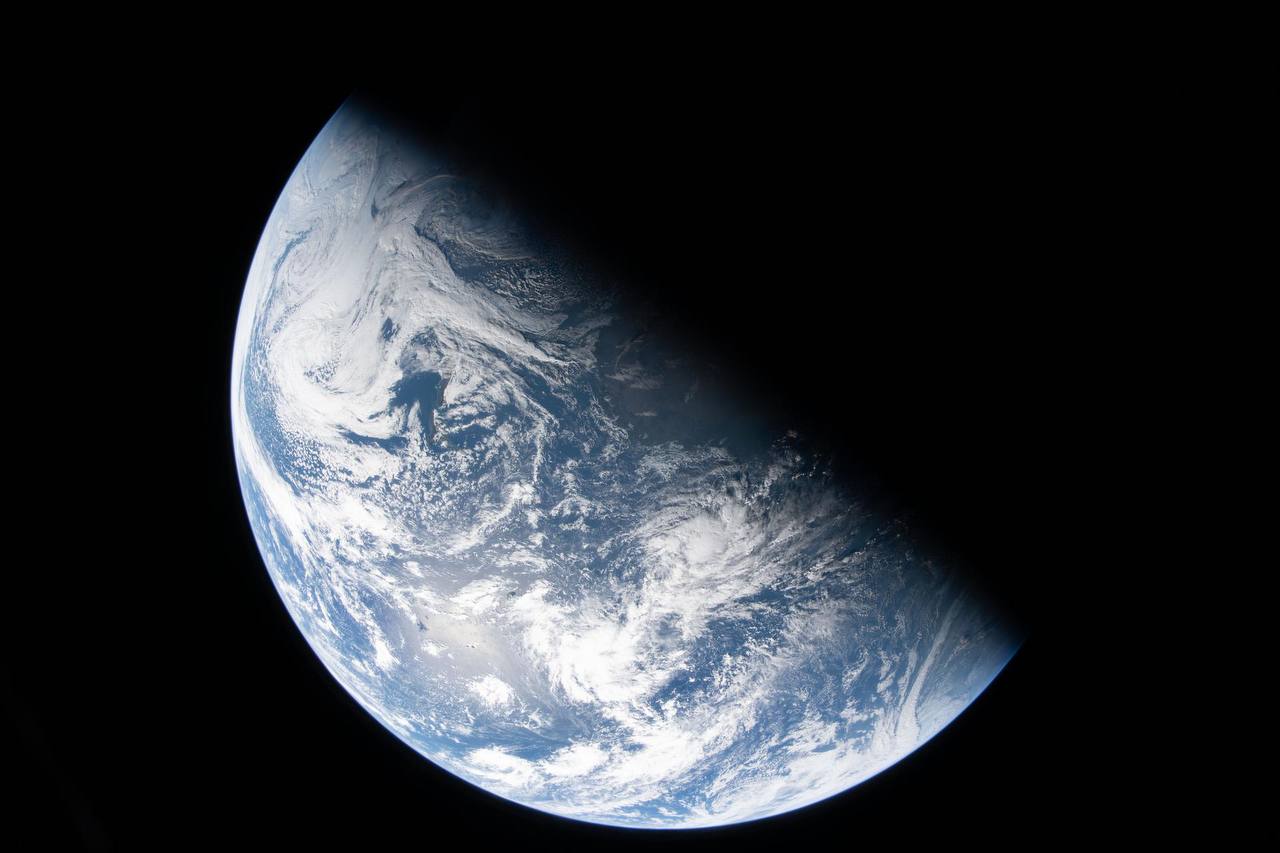
ናሳ በይፋ 'ሄሎ፣ ዓለም" ብሎ የሰየመው አስደናቂ ፎቶግራፍ እ.ኤ.አ ከ1972 የአፖሎ 17 ቡድን በኋላ በሰው ልጅ የተነሳው የምድራችን የመጀመሪያ ፎቶግራፍ ሆነ።

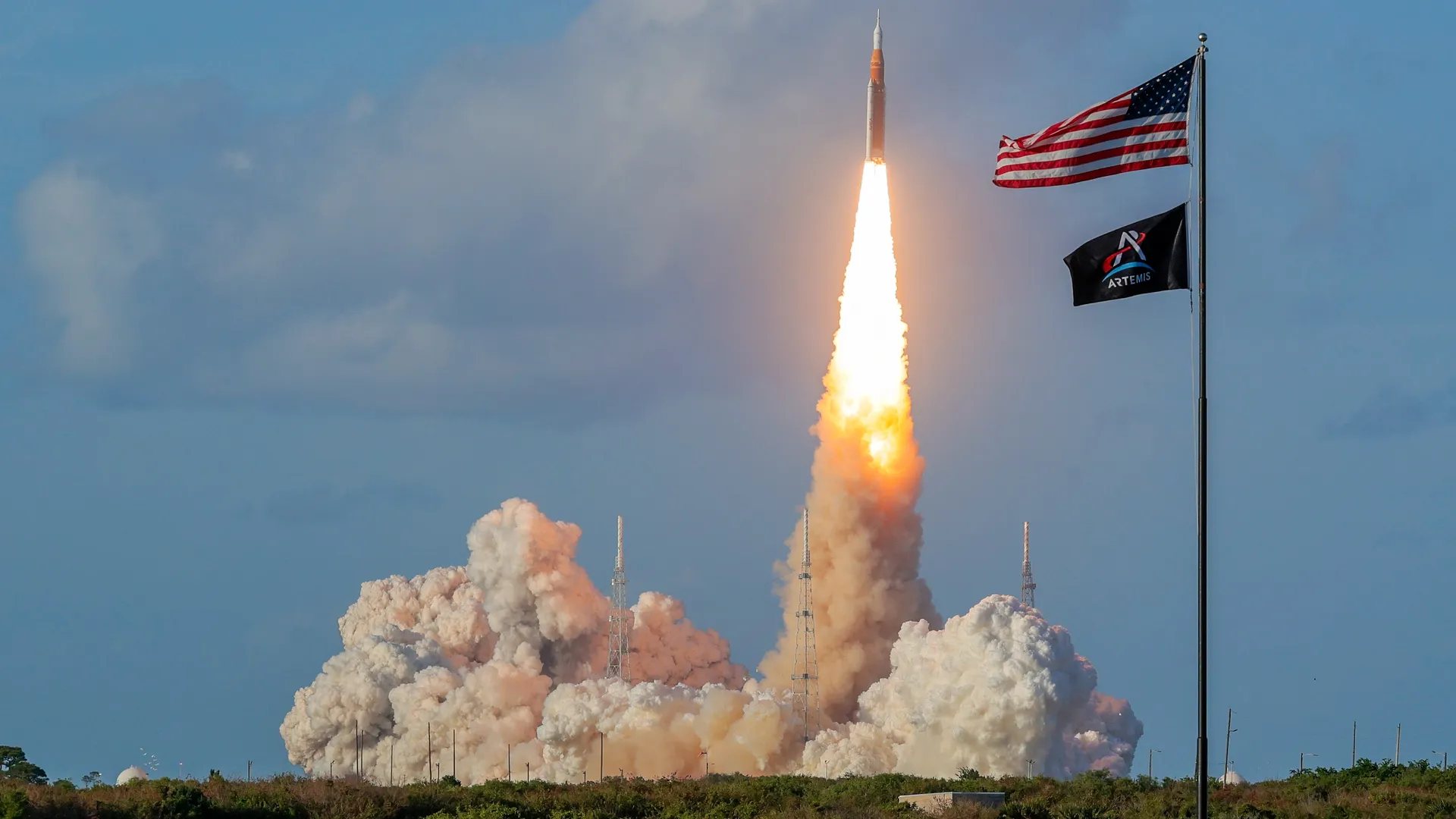
ከግማሽ ምዕተ ዓመት በላይ የፈጀው ናፍቆት እውን ሆኗል። ኤፕሪል 2 ፣ 2026 በፍሎሪዳ ኬኔዲ ስፔስ ሴንተር የነበረውን ጸጥታ በመስበር የናሳ የጠፈር ጉዞ ማስጀመሪያ ስርዓት ግዙፍ ሮኬት (SLS) በከፍተኛ ድምጽ እና ኃይል ወደ ሰማይ ተተኩሷል። በርካታ የቴክኒክ ፈተናዎችን፣ የአየር ንብረት መዛባቶችን እና ተስፋ አስቆራጭ መዘግየቶችን አልፎ፣ አርቴሚስ 2 ተልዕኮ በይፋ ተጀምሯል።


 ልዩ
ልዩ
 ልዩ
Hot
ልዩ
Hot
የሰው ልጅ ከ50 ዓመታት በላይ ከዘለቀ ቆይታ በኋላ ዳግም ወደ ጨረቃ ለመመለስ በሚያደርገው ታሪካዊ ጥረት ውስጥ፣ የአሜሪካ የጠፈር ምርምር ተቋም (ናሳ) እጅግ ወሳኝ የሆነ እርምጃ ወስዷል። በቅርቡ ናሳ በአርጤምስ ሦስት (Artemis III) ተልዕኮ ላይ የሚሳተፉትን አራት ብቁ ጠፈርተኞች ይፋ አድርጓል። ይህ ተልዕኮ የሰው ልጅ ዳግም በጨረቃ ምድር ላይ ከመራመዱ በፊት መከናወን ያለበት እጅግ ወሳኝ የልምምድ ጉዞ ነው።
Hot
ከዛሬ 65 ዓመት በፊት ሚያዝያ 4 ቀን 1953 ዓ.ም. (እ.ኤ.አ. ኤፕሪል 12 ቀን 1961) ራሻዊው ዩሪ ጋጋሪን የሰው ልጅን የምድር ቆይታ ወሰን በማለፍ ወደ ህዋ በመጓዝ ምድርን በህዋ ውስጥ የዞረበት ታሪካዊ ቀን ነው። ይህ ስኬት የሰው ልጅ የህዋ ምርምር ስራዎች ትልቅ ማሳያ ተደርጎ የሚቆጠር ሲሆን፤ በየአመቱ ይህ ቀን ዓለም አቀፍ የኮስሞኖቲክስ ቀን እና 'የዩሪ ምሽት' (Yuri's Night) ተብሎ ይከበራል። የዘንድሮው 65ኛ አመት መታሰቢያም በሀገራችን በሁለት የተለያዩ ደማቅ መርሃ ግብሮች ተከብሮ ውሏል።
Hot
የናሳ እና የካናዳ ስፔስ ኤጀንሲ ጠፈርተኞች ከ10 ቀናት ታሪካዊ የሕዋ ላይ ቆይታ በኋላ፣ በሀገራችን ሰዓት አቆጣጠር ከእኩለ ሌሊት ላይ በፓስፊክ ውቅያኖስ ውስጥ በሰላም አርፈዋል። "ኦሪዮን" የተሰኘውን መንኮራኩር የተጠቀመው ይህ የአርጤምስ 2 ተልዕኮ፣ ከ1972ቱ የአፖሎ 17 (Apollo 17) ተልዕኮ ወዲህ ለመጀመሪያ ጊዜ ከጨረቃ የተመለሱ ጠፈርተኞች ያረፉበት ሲሆን፤ የሰው ልጅ ዳግም ወደ ጨረቃ እና ማርስ ለሚያደርገው ቀጣይ ጉዞ ትልቅ ምዕራፍ ከፋች ሆኗል።
Hot
ናሳ በይፋ 'ሄሎ፣ ዓለም" ብሎ የሰየመው አስደናቂ ፎቶግራፍ እ.ኤ.አ ከ1972 የአፖሎ 17 ቡድን በኋላ በሰው ልጅ የተነሳው የምድራችን የመጀመሪያ ፎቶግራፍ ሆነ።